

Working in the Sector
How can we work together as a sector to eradicate childhood sexual abuse?
What does it look like to work in the childhood sexual abuse sector? What are the challenges, and the joys? And what does collective action look like in practice? Join Sophia (she/her), founder of Secrets Worth Sharing, in conversation with Sean (he/him), the director of To Zero, as they discuss.
Your Hosts

Sophia — Founder of Secrets Worth Sharing
Sophia (she/her) is a survivor of child sexual abuse, designer and the founder of Secrets Worth Sharing, where she builds a community of having these difficult conversations with 'serious joy'.
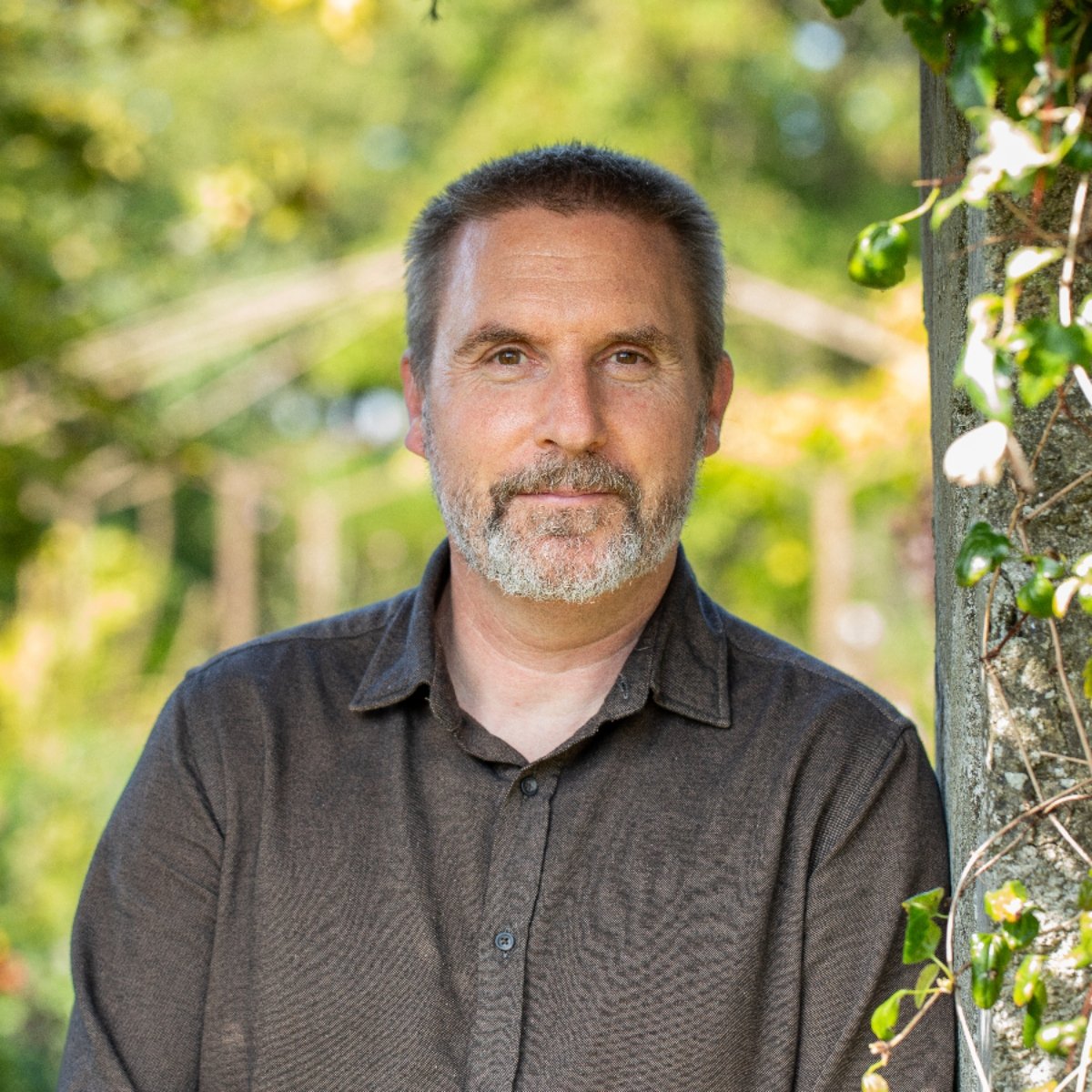
Sean — Director of To Zero
Sean (he/him) is the Director of To Zero, an organisation working towards a future free from childhood sexual violence, where children and adolescents can thrive and live safe and healthy lives.
Don’t like YouTube? Listen on Spotify instead
To recap
Things you should say/do when working in the sector
-
It’s easy to feel overwhelmed by the various challenges and hurdles of working in the sexual violence sector. But it’s also important to celebrate the wins, and remember what has worked for you before. Once you have a reliable method that is tried and testing, you can build upon this for future projects, getting bigger, better and more creative with your approach.
-
Everything we do is built on the hope that we collectively can create a world where children grow up free from sexual harm. This sector can feel heavy at times due to the sensitive nature of the work, but by remaining hopeful we preserve our energy and passion which can then be poured into our projects, our professional relationships and our mission.
-
Working for or running a charity can mean getting frustrated at the bureaucratic nature of the sector or the endless red tape. When interacting with other people in the sector, we may assume that they don’t have an understanding of our work or experiences, when in fact they may too be survivors of childhood sexual violence. Not everyone who works in the sector chooses to disclose, so ensure that you’re treating everyone with sensitivity and grace.
-
Funders like a sure thing. But some of the most interesting, fresh and inspiring projects may have never been done before, or feel completely out of line with other work taking place in the sector. The more unique an idea is, the more people it is likely to attract, including survivors who may never have seen themselves represented before.
Things you shouldn't say/do
-
Sometimes, working in the third sector can feel isolating. When we’re under-staffed, under-resourced and under-funded it can feel like it’s every woman for herself, but we are stronger when we support and reinforce one another’s work. Systemic problems require systemic solutions, and we can’t create systemic solutions if we’re working in isolation. Try to join a community or charity group, to share ideas and find support from people who understand.
-
It can be easy to get stuck into one way of doing things, but opening our eyes to new ways of working is important. We have a lot to learn from other sectors — tech, education, sports. It’s vital that we recognise that expertise comes in many different forms and that we remain open-minded to new work and research techniques.
-
Grassroots organisations are often survivor run, operating with very little time, funds and staff. However, at large conferences and events, survivors are frequently asked to give up their time to speak or appear on a panel, usually in an unpaid capacity. While this might be possible for larger charities, where workers receive a salary to attend events, it isn’t always possible for smaller organisations. Don’t fall into the trap of assuming that all charities have the same capacity for events.
-
The cultures, climates and religions of different countries make for different reactions to childhood sexual violence. If you’re working internationally, or with international charities, remember that social and cultural norms differ greatly between regions, and work may have to be adapted to work within different cultures.
Additional resources
To Zero – an organisation working towards a future free from childhood sexual violence
The Oak Foundation – a funder for organisations worldwide who tackle social, environmental, and human rights issues
Human Dignity Foundation – an organisation working to protect children from sexual exploitation and abuse
A Vision To Zero – a report by To Zero detailing their roadmap to ending childhood sexual violence
Getting To Zero – a report by To Zero analysing historical and current evidence from across the sector
Brave Movement – a survivor-centered global movement working to end childhood sexual violence
Safe Futures Hub – a joint initiative between multiple charities focused on solutions to end sexual violence against children
Building Safe Futures – comprehensive evidence review by the Safe Futures Hub highlighting what works to prevent and respond to childhood sexual violence in low- and middle-income countries
ParentApp – a mobile, open-source parenting app designed to help caregivers reduce violence against children and improve relationships
Prevalence of sexual violence against children and age at first exposure – source report for 1 in 5 girls and 1 in 7 boys data
*Please note - in sharing resources mentioned by our co-hosts, we are not necessarily endorsing all of their content, but we do so to allow you to make up your own mind.
