

Deafness
How is the experience of childhood sexual abuse different for d/Deaf people? What can hearing people learn from d/Deaf experiences about healing?
Main Video
How is the experience of childhood sexual abuse different for d/Deaf people? Join Sophia (she/her) in conversation with Sabian (he/him), a deaf entrepreneur as they talk about child-on-child abuse, female abuse, and ways of listening without hearing.
Your Hosts

Sophia — Founder of Secrets Worth Sharing
Sophia (she/her) is a survivor of child sexual abuse, designer and the founder of Secrets Worth Sharing, where she builds a community of having these difficult conversations with 'serious joy'.
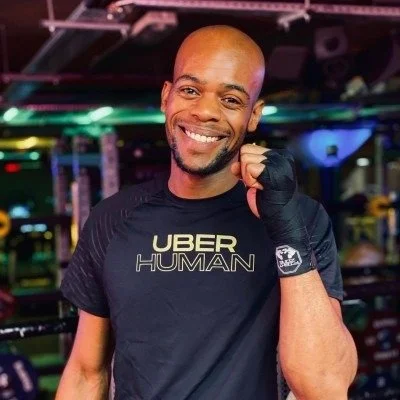
Sabian Muhammad - Managing Director of DeafHandz
Sabian (he/him) is a motivational speaker, mentor, deaf content creator (@theuberhuman) and founder of DeafHandz, a for-profit Deaf Culture & Innovation consultancy.
Bonus Content: Dos and Don’ts Video
How is the experience of childhood sexual abuse different for d/Deaf people? Join Sophia (she/her) in conversation with Sabian (he/him), a deaf entrepreneur as they share what you should and shouldn't say to people who are deaf and who were abused by women.
Don’t like YouTube? Listen on Spotify Instead
To recap
Things you should say/do
-
As a deaf person, Sabian often talks in the episodes about how a lot of what happens during childhood sexual abuse is unsaid, and happens more in a physical sense or with silenced body language. He notices this is the case more when speaking with other survivors. Hearing people can learn a lot from deaf people about taking some time out to observe body language more as a way to better understand others.
-
Many survivors have mixed feelings about being thanked for their bravery when disclosing abuse. While they can feel grateful and comprehend the sentiment behind the gratitude, a significant part of them also experiences profound sadness as this statement reflects on a world where survivors of child sexual abuse have been silenced to such an extent that simply disclosing their experience is considered a monumental act.
-
After abuse, many children will 'mask' what happened to them, by carrying on as normal. This can make it hard to look for signs, but they might show up subtly. Remember to observe the children in your life. Are they finding excuses to avoid someone? Have they suddenly become very attached to someone and keeping secrets? Are they anxious or exhibiting signs of tummy ache or wetting the bed? Without using words and sounds we can learn a lot from observing, in a similar way to how D/deaf people navigate the world. If you notice something strange, intervene - it may be hard but could save years of silence for the child.
-
The legal and justice system is very complex, and a lot of the communication happens with sound and phone calls. Offer to support the person disclosing by taking notes in phone calls and finding places where they can get interpreter support with the process. This will take a load of unnecessary admin away from the survivor, who will already be dealing with so much by telling their story.
-
Sabian explains the complexity of feelings regarding women. He references the confusion where, on one side, there's acknowledgment of receiving support and space from women, while on the other side, there exists the experience of negative encounters. Sabian finds it challenging to categorically harbor negative feelings or hatred towards women due to this duality. The intersectionality of his identity—being Black, deaf, and experiencing these diverse aspects—makes it intricate to formulate a singular judgment about women. It's an intricate balance between experiencing support from exceptional women and enduring unfavorable experiences with others. Ultimately, Sabian conveys that this balancing act is peculiarly challenging.
Things you shouldn't say/do
-
Anyone can be an abuser - including non-binary people and women, even though it's statistically less likely. To assume the gender of the abuser can invalidate the experiences of the person disclosing and doesn't give them space to talk through the experience they have chosen to share with you.
-
Regardless of the intentions of the child abuser, another child has been exploited and hurt. Saying statements like "they were probably just exploring their sexuality" can silence the person disclosing in an attempt to explain away their experience. Remember, if you were not present at the abuse happening you should be especially careful.
Additional resources and tips
She Touched Me: Five Snapshots of Adult Sexual Violations of Black Boys
*Please note - in sharing resources mentioned by our co-hosts, we are not necessarily endorsing all of their content, but we do so to allow you to make up your own mind.
Production Crew / Special Thanks
Thank you to Quyen and Jeremie for shooting our original series of podcasts at X & Y offices in Whitechapel.
BSL interpretation on both episodes. Thank you to Gavin Lilley for providing the British Sign Language interpretations for this video, which you can access on Youtube, and to Hannah Daisy for recommending him.
