

Cultural Sensitivity
How should our child sex abuse services accomodate for Black, Brown and British Asians who experienced childhood sexual abuse? How can these minoritised experiences affect healing?
Main Video
What can child sexual abuse support services in the UK do to adapt to British Asian contexts? And why is this even important? Join Sophia in conversation with Dr Anujavahinie Suntharamoorthy, CAMHS psychiatrist and Director of ANBU UK, as they discuss Vietnamese and Eelam Tamil contexts. They touch on intergenerational trauma, disclosing in cultural contexts, and advice for charities and services.
Your Hosts
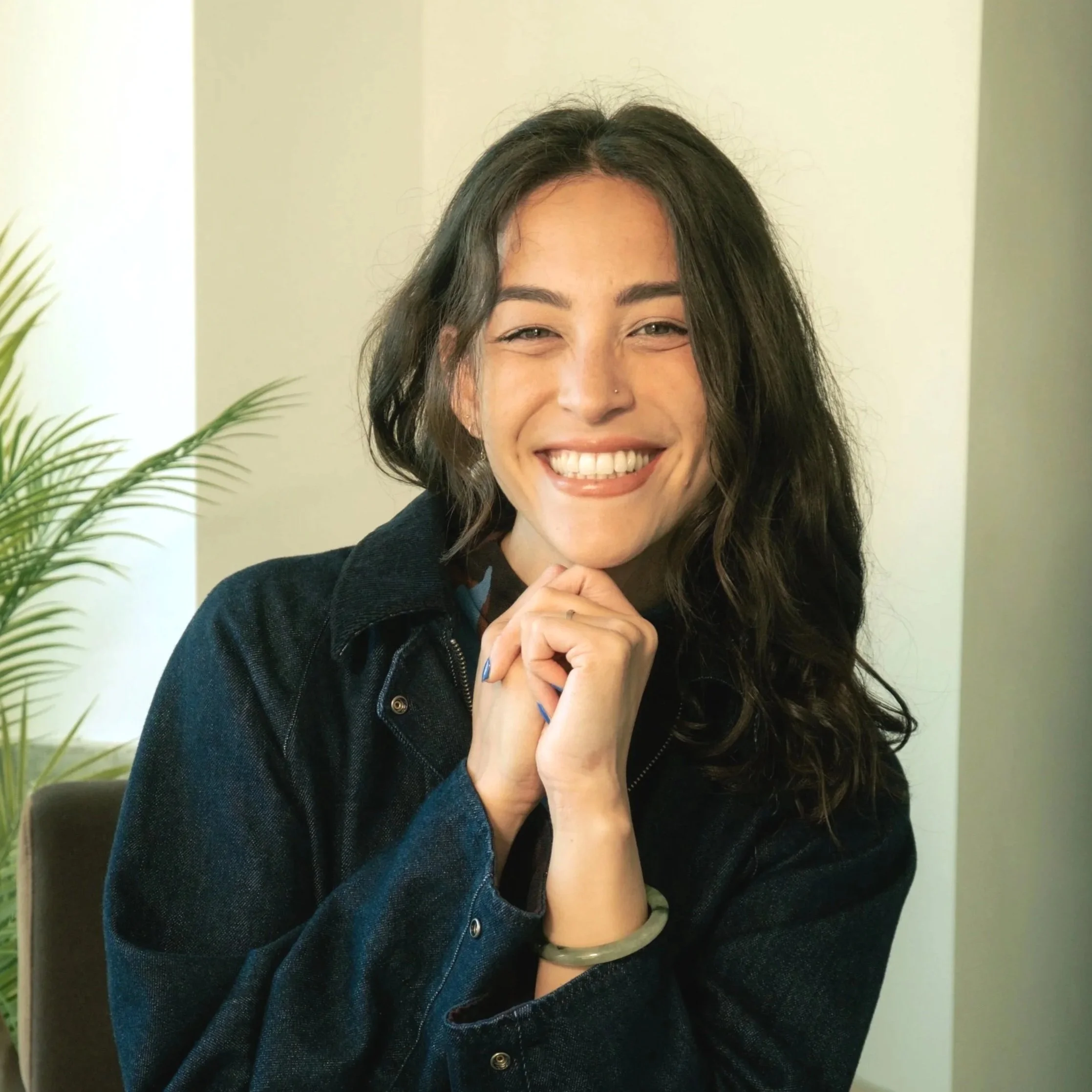
Sophia — Founder of Secrets Worth Sharing
Sophia (she/her) is a survivor of child sexual abuse, designer and the founder of Secrets Worth Sharing, where she builds a community of having these difficult conversations with 'serious joy'.
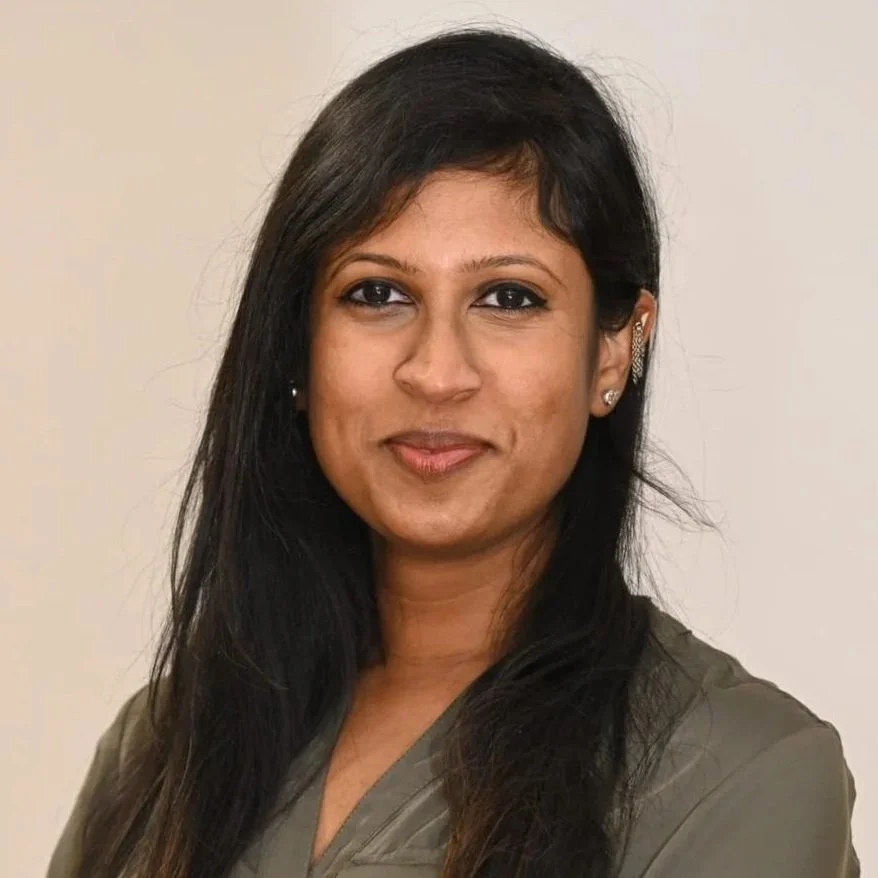
Dr Anuja Suntharamoorthy - CAMHS psychiatrist and former ANBU director
Bonus Content: Dos and Don’ts Video
Join Sophia in conversation with Dr Anujavahinie Suntharamoorthy, CAMHS psychiatrist and Director of ANBU UK, as they discuss Vietnamese and Eelam Tamil contexts and what you should be aware of as you discuss child sexual abuse.
Don’t like YouTube? Listen on Spotify Instead
To recap
Things you should say/do
-
Praise is not common enough, and can be less common in Asian communities. When someone is already doubting themselves, when their confidence has already been shattered, when their boundaries have been disrespected, a statement like this can be so powerful to a survivor and can instill confidence in them and empower them.
-
Instead of telling the person what they should and shouldn't do, actually remind them that they are in control and have choice. Help them to understand that their autonomy will be respected by other people; that disclosure is theirs, including: who they want to say it to, whether they want to report it to the police or whether they don't, whether they want help with the their mental health, or whether they just want to sit with it for a bit before even making a decision.
-
Give as many open options as you can to that person, particularly if you're not from that culture, community or context. What works for one community might not work for another, and certainly not every individual is the same. So just say, “I don't know how best you'd like the support, but here are some options that are available. We can tailor them. We don't have to do any of them- which are the best avenues that you'd like to go down?” It's as simple as that. A lot of the time people rush and they feel like they have to have the answer. But survivors don't always know what they want, sometimes they don't even know what's available to them. Offering to work through together with them can help with finding the answers.
-
Sometimes the most simple and humble thing that you can do is to acknowledge your difference. It could be a matter of saying "I'm not Vietnamese, I'm not Tamil, I'm not Black, I'm not Brown. But here are the things I can do to support you. I know that not everything I say will resonate and I'll try my best to understand and offer points of view that can help you to process. Alternatively, if you want me to find a support service that is more helpful to you I can help with that. It might even be helpful for you to speak to an outsider. I'm here to listen and I'm here to help in whatever way possible." In supporting survivors of child sexual abuse, the approach is holistic, recognizing the various impacts on individuals', families', and communities' lives. Survivors are encouraged to take their time in deciding what is best for them. Reflecting on these encounters, it becomes apparent that counselors need not share the same cultural background to offer support. Acknowledging cultural differences can greatly benefit the survivor by opening doors to understanding and self-reflection within their own cultural context, and asking questions like "would this be accepted in your culture? If not, why not?"
-
Active listening plays a crucial role in supporting survivors. By allowing them to express themselves without judgment, ensuring confidentiality, and respecting their pace, individuals can create a safe space for survivors to share their experiences and emotions. Simply being present and attentive during these conversations is often profoundly impactful. Practicing active listening involves refraining from interrupting and prioritising the survivor's narrative over one's own contributions to the conversation.
Things you shouldn't say/do
-
When someone finally has the courage to disclose, when you're made to feel invalidated, that can really affect your trust in people and whether you are ready to disclose again. After someone has taken a long time to overcome what has happened to them so that they can tell someone, a reaction like this can be really psychologically damaging.
-
Not being believed is an extremely distressing experience, causing individuals to question the accuracy of their own memories, especially following trauma. Trauma often leads to fragmented and hazy recollections as a coping mechanism, contributing to a normal response to traumatic events. When a survivor discloses their experience, it's crucial to listen attentively without immediately formulating a response. Sometimes, individuals react with shock or struggle to comprehend or accept the reality of the situation. Reacting prematurely or skeptically to a survivor's disclosure can inadvertently perpetuate the cycle of doubt and distress. Prioritizing active listening and offering support rather than prematurely shaping a response is essential when survivors share their experiences. It helps prevent the perpetuation of doubt and facilitates a safe environment for survivors to speak about their trauma.
-
Experiences show that elders in communities often possess vastly different life experiences, especially if they have relocated from one country to another. Their lives may have revolved around survival, which can greatly influence their perspectives. Asking these elders to endorse a concept that could potentially bring shame upon their families or be viewed negatively in relation to the victimized individual can create significant resistance. Statements like, "Your elders will unquestionably support you; they care for you and want what's best," may not align with the reality of how support manifests within different cultural contexts. Cultural variations significantly impact how support is expressed and perceived. Thus, assuming the availability of a supportive elder might not accurately represent the reality of the situation. It's essential to avoid presuming the presence of a trustworthy or supportive elder in the manner one might anticipate.
-
Statistics indicate that globally, one in four individuals faces child sexual abuse, irrespective of their racial, ethnic, or cultural background. Therefore, if a person from a marginalised racial group shares their experience, it does not imply that everyone within their community is a perpetrator. It's crucial to avoid making assumptions about perpetrators based on racial or cultural stereotypes. When a survivor breaks barriers to seek assistance, presuming that their culture is inherently more susceptible to abuse is inappropriate. Services and professionals should avoid associating a particular culture with being inherently "bad" or more prone to child sexual abuse solely based on reported cases. Unfortunately, biases and assumptions concerning cultures have been observed in various service contexts, highlighting the importance of being mindful and avoiding such generalizations. Understanding that abuse exists across all cultures is crucial. Therefore, attributing the prevalence of abuse to any specific culture without factual basis or perpetuating stereotypes is both unfair and inaccurate.
Additional resources and tips
ANBU's resources page has a lot of signposting options for minors, women, LGBTQI+, men, online abuse, abusers and more.
*Please note - in sharing resources mentioned by our co-hosts, we are not necessarily endorsing all of their content, but we do so to allow you to make up your own mind.
Production Crew / Special Thanks
Thank you to Quyen and Jeremie for shooting our original series of podcasts at X & Y offices in Whitechapel.
