

Hollywood Depictions of Black Survivors
What can film and TV teach us about the way people who have experience childhood sexual abuse are often depicted and seen by society? The Secrets Worth Screening series is a film club where a child sexual abuse survivor (Sophia Luu) and a film-theorist-turned-therapist (Andrew Asibong) review scenes of child sexual abuse in films.
In this episode, we look at depictions of Black survivors of childhood abuse in film & TV, including scenes from Doubt (2008), Precious (2009) and The Colour Purple (1985 & 2023). Previous knowledge of these films is not essential, but we recommend that you watch the films before.
Your Hosts
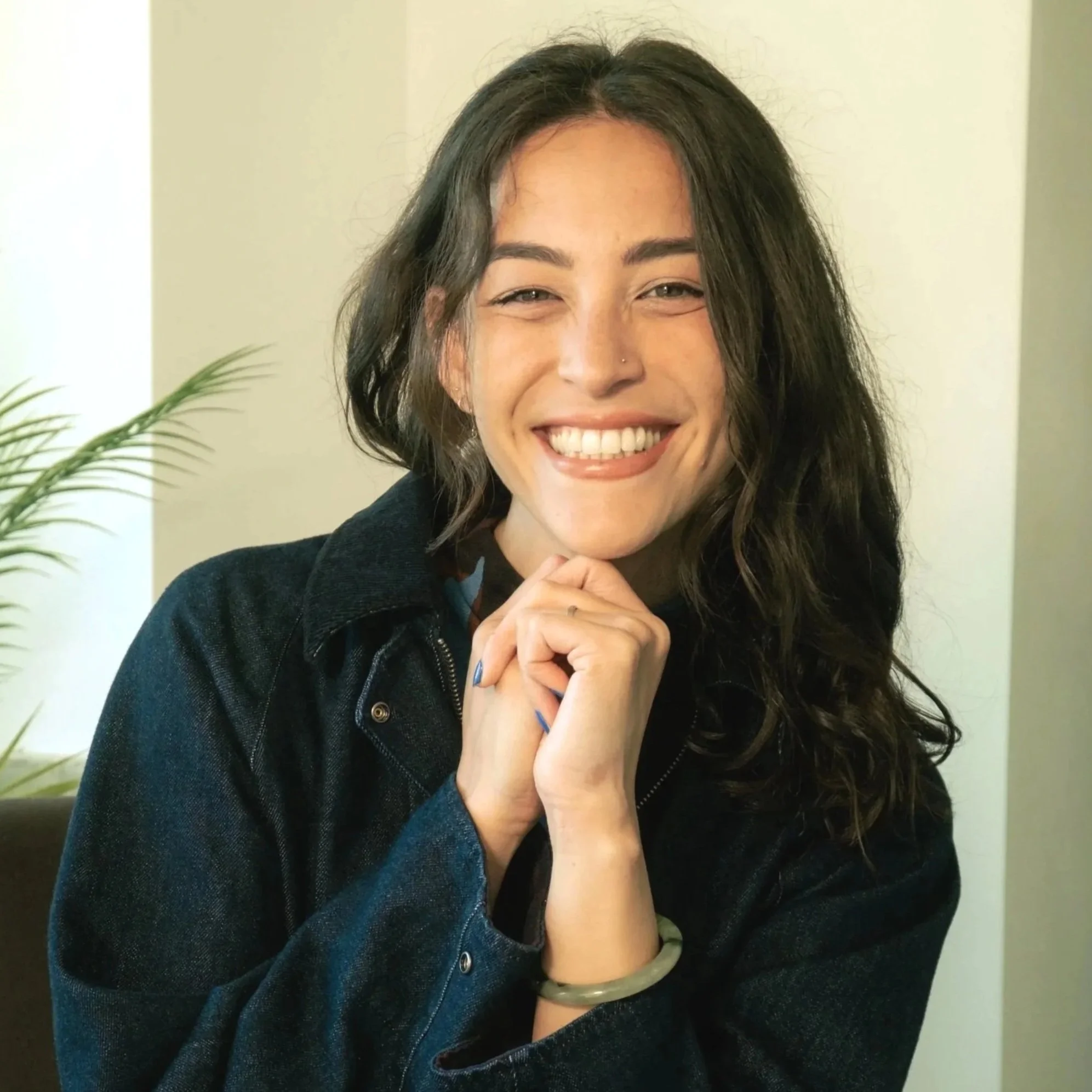
Sophia — Founder of Secrets Worth Sharing
Sophia (she/her) is a survivor of child sexual abuse, designer and the founder of Secrets Worth Sharing, where she builds a community of having these difficult conversations with 'serious joy'.
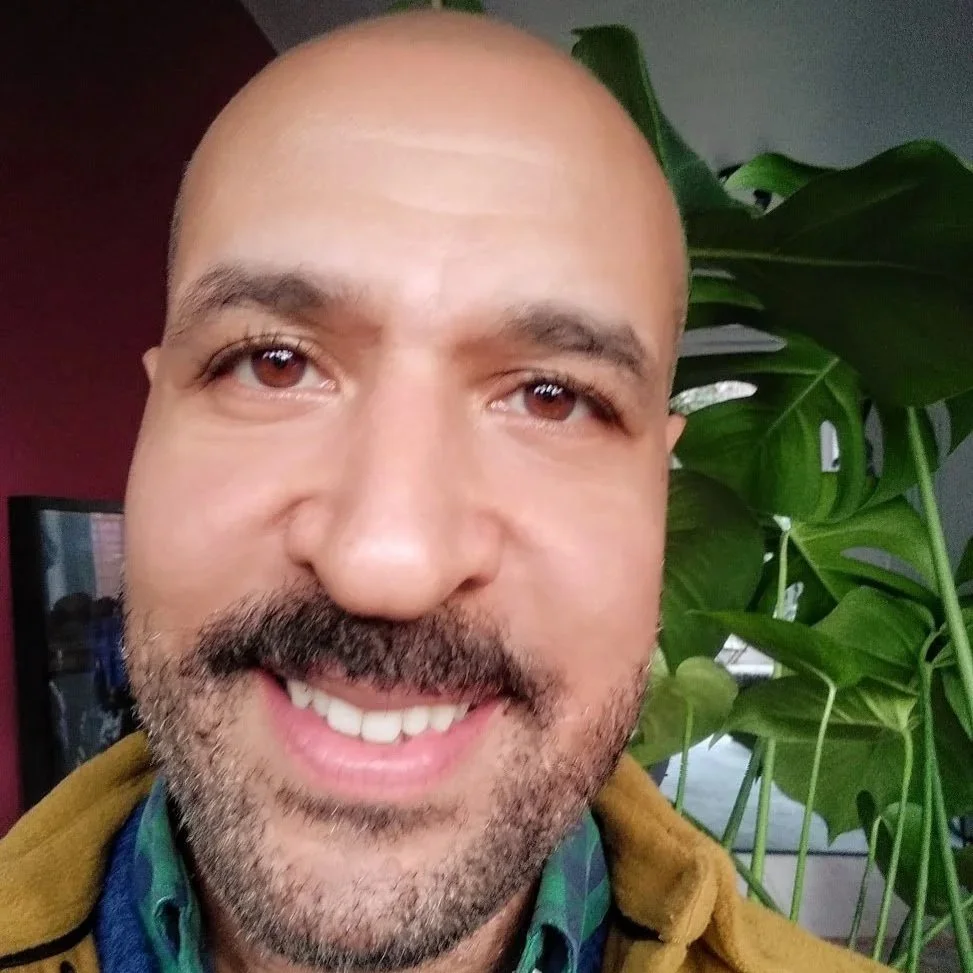
Andrew Asibong - Psychotherapist and Film Club Co-Host (2024-2025)
Andrew Asibong (he/him) is an intercultural psychotherapist in Brighton, specialising in developmental and early relational trauma. For many years he lectured in film and psychoanalytic studies at Birkbeck, University of London, where he also ran the Fruitvale Film Club, for survivors of state violence and racialised trauma.
Key takeaways from the film club
-
Doubt is about a nun with a hunch that a boy is being groomed, and her quest to prove she’s right, despite the doubts of others. (We as the viewer don’t know the truth of the matter — we only get the nun's perspective). It touches on themes of race, sexuality, abuse and class 1960s US. The scene we explored was the one in which Mrs Miller, the mother (played by Viola Davis) talks to the nun, Sister Aloysius (played by Meryl Streep). Mrs Miller has to choose between two bad options: leave her son in a school where he might be being abused by the priest, or send him back to a violent home. Her call is that it's safer to let the abuse continue "just till June." The group reflected on how this doesn’t necessarily make her an evil mother — more that she faced an impossible choice. They also noticed that Sister Aloysius seems more focused on proving herself right than on actually helping the boy. The boy himself barely gets to speak in the film — everyone else projects their own story onto him. Additionally, Viola Davis has barely any screen time in the movie, yet gives an incredible performance in just a few minutes, which says something about how Black actors often get less screen time but have to work twice as hard to be noticed.
-
The scene we watched shows Precious’ mother finally explain why she let the abuse happen. It’s an upsetting scene, but the group also saw it as a moment where Precious finally stands up for herself and walks away with strength, instead of hiding inside her own head like she does earlier in the film. Not everyone agreed this was a happy ending, though — one person pointed out that Precious leaves with two children, no money, no support, and HIV, so calling it "hopeful" ignores how unsafe her situation still is. The group also talked about how the film mixes very dark scenes with comedy, which felt confusing, and strips away how serious they really are. They also discussed colorism (lighter-skinned characters are shown as kinder, darker-skinned characters as harsher) and how Precious's weight is used for cheap laughs in a way that wouldn't happen if she were thin. This reflects the correlation between how much support, attention and empathy survivors receive, and their conventional attractiveness.
-
We mostly explored Celie and Shug's relationship — the scene we watched in the 1985 film is the first time Celie experiences kindness and pleasure in a sexual relationship after years of abuse, and it's a woman, not a man, who shows her this. The group liked how the film shows healing happening through friendship, not therapy or family. Although, there was a discussion about whether the age gap in maturity between the two characters made the scene feel a bit uncomfortable despite being tender. In the 2023 musical adaptation, the film shows the sisters singing and dancing together, which the group linked to real examples of Black musicians using music to heal from abuse. But a concern was raised that showing Black survivors only as endlessly joyful and strong can end up feeling like Black people are expected to just "get through anything," which is its own kind of harmful stereotype. Finally, it was discussed how all three films focus on Black men as abusers, while barely mentioning the history of white violence and abuse against Black families (like forced separations and abuse during colonialism). This feels like a real gap in how these stories get told.
Download the Handout!
At each of our film clubs, we give a hand out to the audience so they can see why we chose the scenes we did. Download this here for free!
Production Crew / Special Thanks
Special thanks to Tom Eames for filming and editing the clips.
