

Trans Identities
How is the experience of childhood sexual abuse different for trans people? How is it the same? What are the current changes in how we talk about trans people in relation to childhood sexual abuse and how does it need to change?
Your Hosts
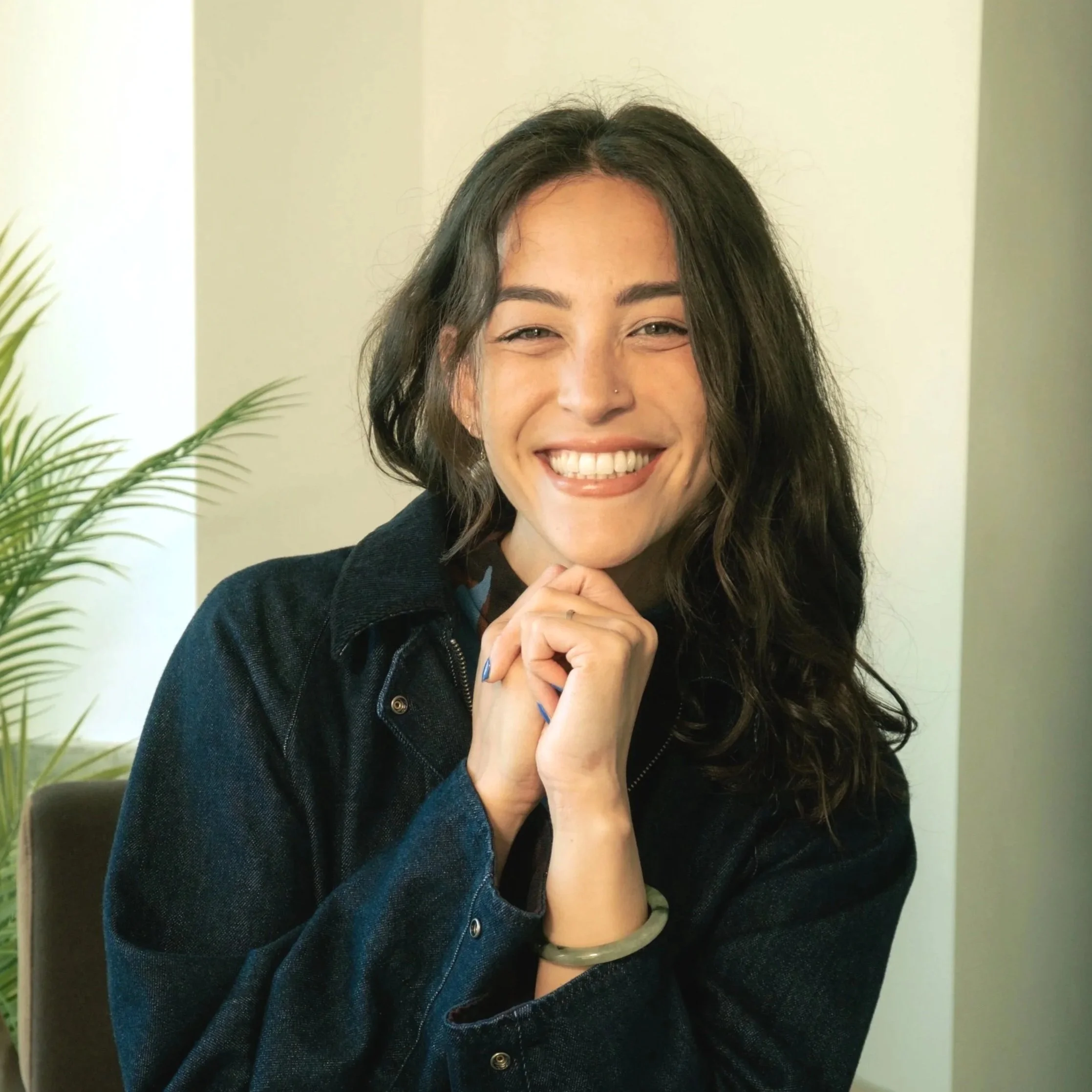
Sophia — Founder of Secrets Worth Sharing
Sophia (she/her) is a survivor of child sexual abuse, designer and the founder of Secrets Worth Sharing, where she builds a community of having these difficult conversations with 'serious joy'.
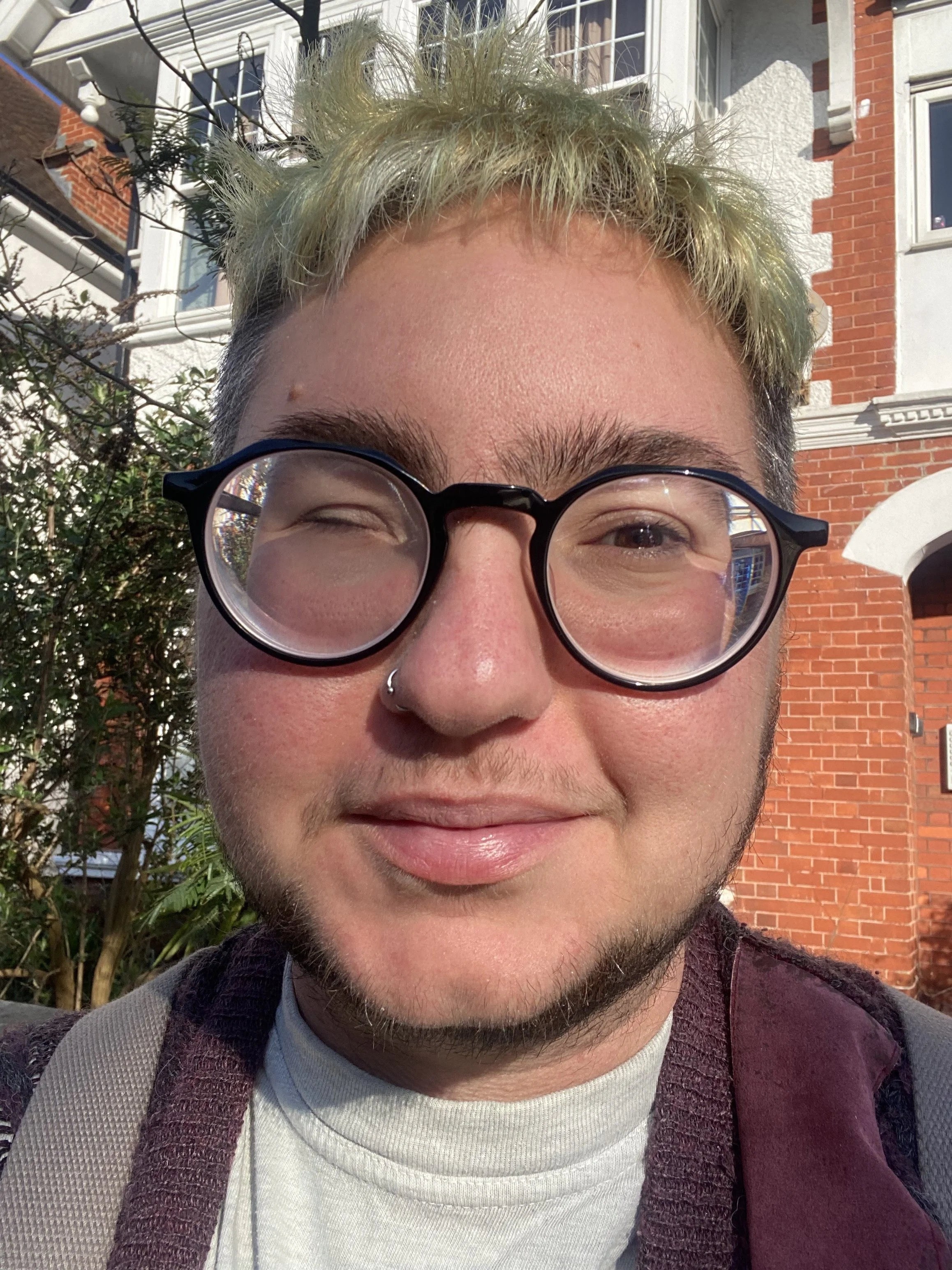
Raf Galdeano - Queer/Sexual Violence Charity Worker
Raf (they/them) is a Brighton-based disabled, trans and queer survivor of gender based violence and childhood sexual abuse. They are an artist, (un)professional ponderer and nature enthusiast whose passion lies in transformational justice and survivor-led politics. To follow more of Raf's work they have a substack which you can find here.
Don’t like YouTube? Listen on Spotify instead
To recap
Things you should say/do to support your partner who experienced abuse
-
Trans and queer people are often portrayed as sexually explicit and therefore an inherent risk to children. In reality, queer performers (like drag queens) may indulge in risqué, adult humour in 18+ environments, but this does not mean that they are more likely to behave inappropriately around children. We need to question anti-trans propaganda that portrays queer people as predators, just because the community may have certain sexual connotations.
-
Some trans people may access services, resources and support later than cisgender survivors. Many queer people experienced a metaphorical “delayed puberty” or “second adolescence” upon coming out — sometimes in their 20s, 30s or beyond — which may mean that their timeline for healing from child sexual abuse can be a little different. Recognise the barriers that trans people face when trying to access support services and meet them where they are, not where you think they should be.
-
Take your time to email, DM or write to your local sexual abuse service to ask what steps they are taking to include trans people in their services, research and funding. Some charities might already be fighting a battle with funders to improve inclusion within their spaces, and your letter could be used as evidence that there is demand for trans inclusivity.
-
Just as all survivors of sexual abuse should not be grouped into one box, the same is true about trans people. Trans men, trans women, non-binary individuals and people with other queer identities will all have different experiences and preferences. When somebody tells you they’re trans or non-binary and asks you to use a particular name or pronouns, remember that they have gifted you a way to get to know each other.
Things you shouldn't say
-
Correlation is not causation — just because somebody is trans and was abused as a child, the two don’t have to be interconnected. Stories of child sexual abuse are complex, as is healing from it, so you can never know exactly if, how or why it has had an impact on somebody’s gender identity. Don’t try to interrogate somebody’s life to try and find connections — just appreciate that they’ve shared their story and identity with you and let them have their own autonomy over how they define themselves and their experiences.
-
Trans people are currently the target of mass reporting in the news, and many of the stories we hear are negative, misrepresented or caused to incite a moral panic. Many mainstream media outlets are headed by cisgender executives and writers, and trans people are not consulted for pieces on transness or commissioned to tell their own stories. Try to engage critically with the news and seek out queer-led media sites or the voices of trans people.
-
Increasingly queer culture is becoming mainstream culture — from RuPaul’s Drag Race to queer-originated dialogue (“slay!”). And while it’s beautiful that queer joy is expanding and coming out of the shadows, cisgender heterosexual people also have a responsibility to recognise the difficulties and suffering that many queer people face, instead of just appropriating their culture. Pride was originally a protest, so make sure that you’re continuing to support, petition and fight for queer rights after you head home from your local drag night.
Additional resources and tips
Violence against women & girls cross-government strategy – the UK government's December 2025 VAWG strategy
Secrets Worth Sharing statement in defence of trans survivors – our statement on trans survivors and transphobia in sexual violance spaces
Secrets Worth Sharing Shado article – an article written by our founder, Sophia, on transphobia in VAWG spaces
Raf’s zines – Raf's Substack showing their zines exploring their experiences with childhood sexual abuse
Illustrating equality vs. equity – a illustrative tool exploring the difference between equality and equity
Transgender people over four times more likely than cisgender people to be victims of violent crime – a study by the UCLA School of LAW exploring rates of violence against trans people
Buff Bingo – a drag brunch bingo event taking place across the UK
Drag Queen Story Hour UK – an initiative in which drag queens read to children in UK schools, museums, libraries and festivals
Repeated Behaviours podcast episode – our podcast episode on child-on-child sexual abuse, and repeated behaviours
Transgender and gender-diverse individuals are more likely to be autistic and report higher autistic traits – Universtiy of Cambridge research exploring the connection between autism and trans identities
Femicide Census – a report exploring women who have been killed by men in the UK
Lucy Faithful Foundation – a charity protecting children by working with people who pose a risk and diverting them from causing harm
Shore – a safe space for teenagers worried about sexual behaviour
The comfort of Queer Time Theory – an essay exploring how time is experienced differently by many LGBTQIA+ people
Marsha P. Johnson – the Wikipedia page for the American LGBTQ activist and performer
Stonewall – the UK's leading LGBTQIA+ charity
Mirror Memoirs – a non-profit protecting Black and Indigenous gender non-conforming children from sexual violence*Please note - in sharing resources mentioned by our co-hosts, we are not necessarily endorsing all of their content, but we do so to allow you to make up your own mind.
Production Crew / Special Thanks
Thank you to Angela for introducing us to our editor, who does not want to be named here but does great work (you know who you are).
