

Christianity
How can the values of Christianity be used by abusers, and how can they also be used by some to aid healing?
Main Video
How can the values of Christianity be used by abusers, and how can they also be used by some to aid healing? Sophia interviews survivor and Pastor Chioma Alade, as she shares her journey with the church and teaches on what forgiveness actually means for survivors of sexual abuse.
IMPORTANT NOTE: We believe that for so many, religion has been a powerful source of comfort, community and healing. However, we also find that institutions of religion can often interpret spiritual teachings in a way that can lead to harm, and these messages are often confused by those who engage with that religion. We hope that by sharing the thoughts of someone who experienced sexual and spiritual abuse and then became a Pastor, that we can understand the nuances behind these dynamics and ultimately create survivor-centred spirituality.
Your Hosts

Sophia — Founder of Secrets Worth Sharing
Sophia (she/her) is a survivor of child sexual abuse, designer and the founder of Secrets Worth Sharing, where she builds a community of having these difficult conversations with 'serious joy'.
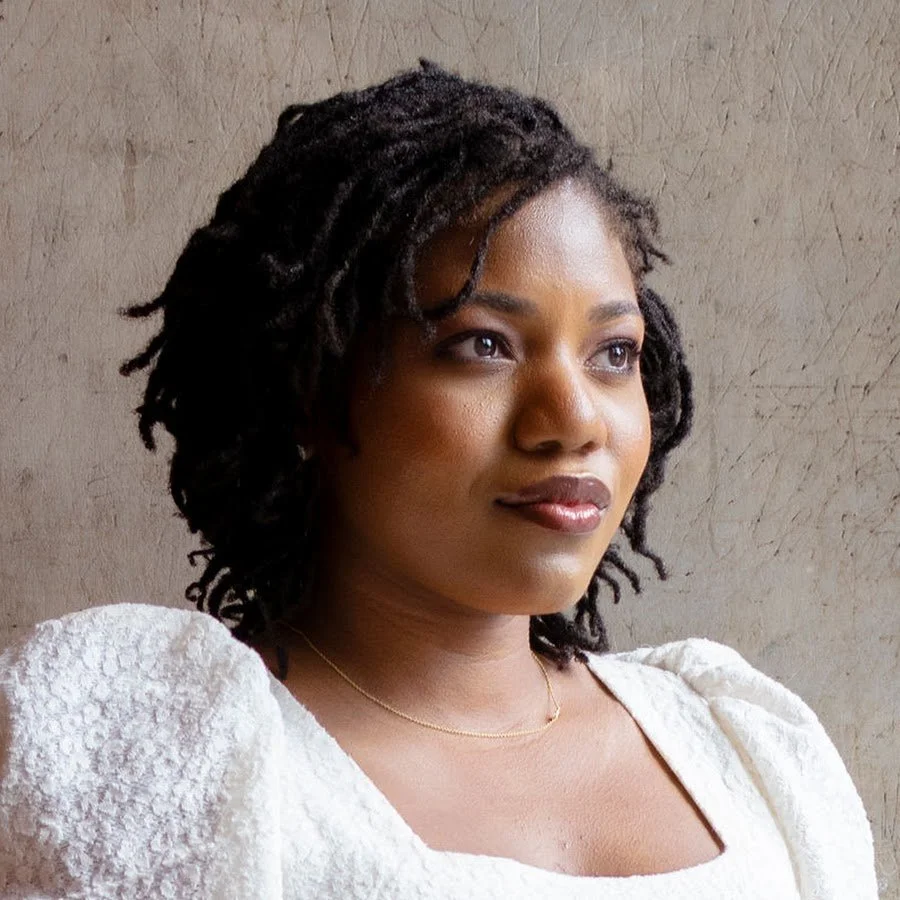
Chioma Alade - Pastor
Chioma (she/her), a British Nigerian, who endured childhood physical and sexual abuse in her home and church environment. Despite this, she's spent over two decades serving in church settings, witnessing its strengths and shortcomings in safeguarding and accountability.
Bonus Content: Dos and Don’ts Video
Advise for Christian and non-Christian people on how to support a survivor of childhood sexual abuse where relgion/ church or spiritual abuse is involved, and what this can mean for healing.
Don’t like YouTube? Listen on Spotify Instead
To recap
Things you should say/do
-
If relevant, you can open up the conversation to talk about religion if the survivor may find it useful and productive. Asking things like “what has been your experience of religion and spirituality as a tool to this through?" is a more open question.
-
Peace can come in so many different ways, and as someone wanting to support a survivor, this can mean providing moments for the survivor which enable them to get through something more seamlessly. Can you cook a meal? Can you go with them to report something and provide a distraction after? Can you make decisions for them about how to travel so that they do not feel overwhelmed? These are all moments of peace.
-
A religion can mean many different things to many different people. Just because someone may claim to be Christian, it is up to you to find what resonates and what doesn’t - you may both have very different definitions. Explore religion's teachings on abuse from a range of sources and perspectives, and try to remind yourself that they should all centre love and care.
-
There can be a tendency to focus a lot on 'purity' in the church, which can feel obsessive and also punish survivors with feelings of guilt and shame that shouldn't belong to them. Survivors can choose when their ‘first time’ is, for example, whereas nonconsensual experiences cannot be classed as a first sexual experience due to the abuse
Things you shouldn't say/do
-
This is common sense but avoid blaming the survivor for their abuse. Instead, challenge harmful narratives and empower the survivor.
-
Avoid minimising the abuse or using victim-blaming language. For example, language such as ‘affairs’ can be damaging especially when talking about cases of abuse with a minor because it implies that they were complicit and consented to what happened to them.
-
Saying something like ‘I’m praying for you’ or ‘I’m thinking of you’ can be seemingly kind, however some people may find it unhelpful if not followed through with action. Chioma teaches that prayer is action. Make sure to add practical actions to the words, and give support in another tangible way, alongside prayer.
-
Respect the survivor's timeline and process; forgiving people can be complicated and nuanced, so allow the survivor to take their time. As we learn from Chioma, forgiveness and reconciliation are different. Our churches should not be encouraging reconciliation with someone who has abused, especially if that still puts the survivor in harm. Forgiveness is different and is a letting go of those emotions. Also, don’t force religion on someone as part of this forgiveness journey.
-
Trying to cover up abuse to 'save face' or worry about exposing the survivor to more in fact protects abusers, especially in church environments which are at risk of acting like harmful institutions. By covering up abuse, you don’t give room for people who abuse to repent and reflect for their actions.
Additional resources and tips
About Three-in-Ten U.S. Adults Are Now Religiously Unaffiliated | Pew Research Center
Independent Inquiry into Child Sexual Abuse (IICSA) - Catholic Bishops' Conference
Statistics on child sexual abuse | NSPCC Learning (slightly updated stats as of 2024)
https://www.registeredoffenderslist.org/default.htm
Facts and Stats About Child Sexual Abuse
Isaiah 61 NIV - The Year of the LORD’s Favor - The - Bible Gateway
*Please note - in sharing resources mentioned by our co-hosts, we are not necessarily endorsing all of their content, but we do so to allow you to make up your own mind.
Production Crew / Special Thanks
Editing and Subtitles - Tom Eames
