

Dating
How can dating and relationship experiences be different for people who experienced sexual abuse as a child? How can non-abusing partners play a role in supporting their partners?
Main Video
In an extremely rare and intimate episode, Sophia interviews her fiancé Michael (also known as Tig), about how they have navigated triggers, the future, and disclosing to each other. This is the first time the two have discussed this part of their relationship publicly.
*Note: These are the experiences of a cis m/f couple, where one person has experience of childhood sexual abuse and one doesn't. We know that this experience doesn't count for everyone, but we hope that through sharing this experience we can encourage similar discussions within other couples about what works best for them.
Your Hosts
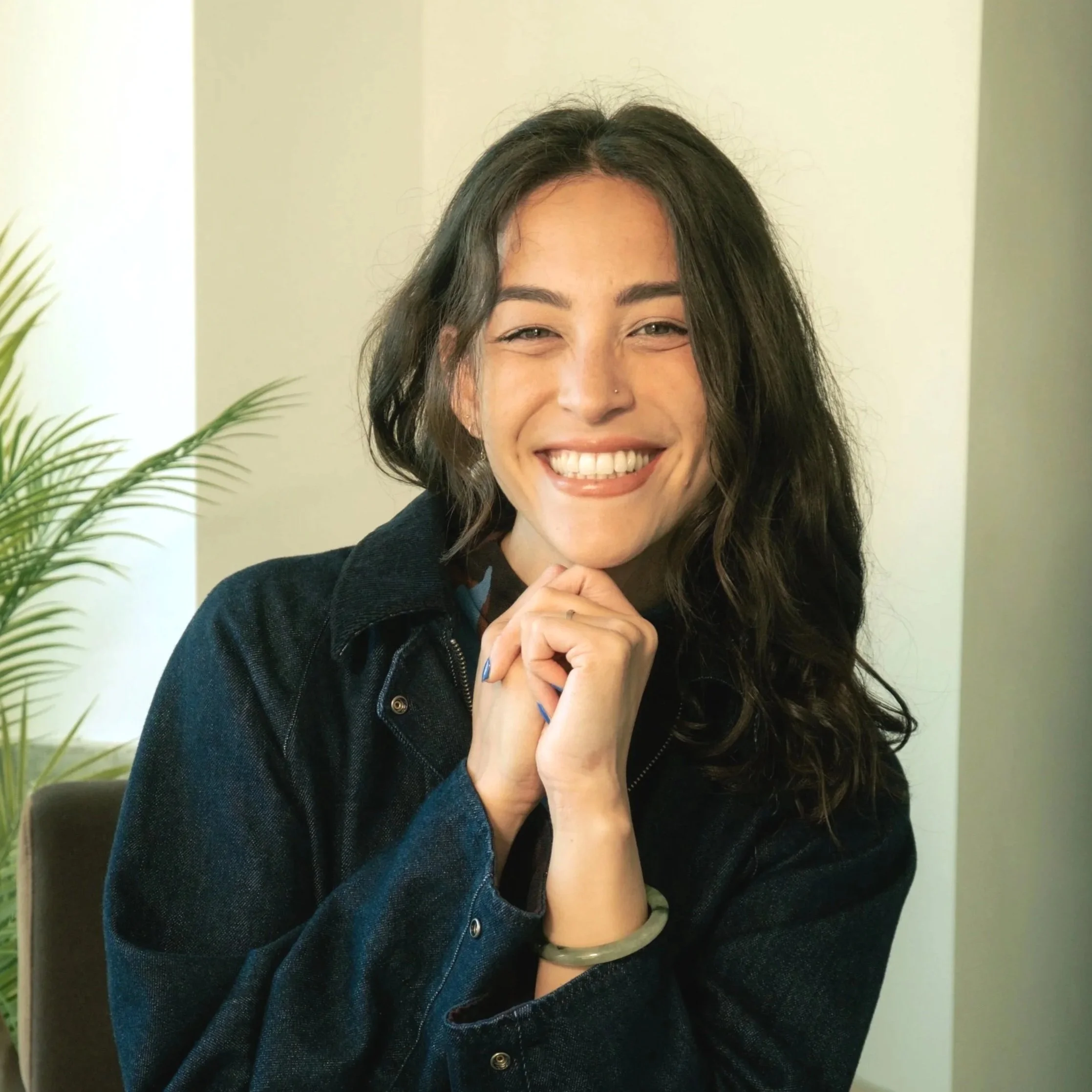
Sophia — Founder of Secrets Worth Sharing
Sophia (she/her) is a survivor of child sexual abuse, designer and the founder of Secrets Worth Sharing, where she builds a community of having these difficult conversations with 'serious joy'.
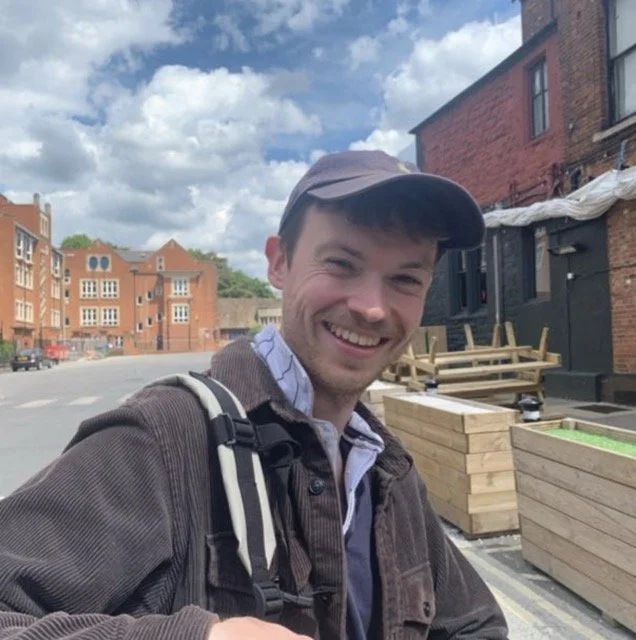
Michael - Writer (& Sophia's partner)
Michael (he/him), or Tig, as most people call him, is Sophia's fiance, a freelance numismatist and writer. He has been dating Sophia since 2015. They live together in Brighton.
Bonus Content: Dos and Don’ts Video
Sophia and her fiancé Michael (also known as Tig), share some advice about what has worked for them in navigating childhood sexual abuse. This is the first time the two have ever discussed this part of their relationship publicly.
Don’t like YouTube? Listen on Spotify Instead
To recap
Things you should say/do
-
The person might not notice themselves that they are acting differently when talking about the abuse. They might get more hungry, or angry, or want more intimacy. Try to make a note of this and talk about it with your partner after the conversation so you can figure out how best to support them after.
-
Sometimes the partner feels like a burden bringing up the abuse, and might be second-guessing whether this is a good time to have the conversation. By asking them if they would like you to bring it up, you help to take that burden away.
-
Sometimes, your partner might need to talk to someone who isn't you about the abuse. That could be a friend, a fellow survivor, a therapist. The best thing you can do is not take this personally, and instead help them to get the support they need.
-
Disassociating is a feeling of being disconnected from your body or memories, and this can be a common side-effect for some survivors. Everyone is different with how they need support for this, but one thing that is really helpful is grounding the person - getting them to focus on their breath, or their contact to the floor and remind them of their surroundings. There are more examples of this in the resources section.
Things you shouldn't say/do
-
Many survivors are interpreted as though they are a burden, or 'broken' to their partners. Although they have had a negative sexual experience, this shouldn't define their sexual behaviour. Instead, have a conversation around active consent - what feels good, what doesn't feel good, and what could feel good but might be explored safely. If the person is retriggered during a sexual experience, take a break, and then ask them if they would like to stop or continue. Sometimes the person might want to continue with intimacy but is annoyed at their trauma for complicating the process.
-
Many survivors question if their abuse experiences have shaped how and who they are. The truth is, we will never concretely know, and we also need to understand that while the abuse might be a contributing factor to a situation in a relationship, it also needs to be considered in conjunction with other factors for a healthy relationship.
Additional resources and tips
Michael mentioned that he sometimes helps Sophia with grounding exercises when she disassociates. There are a series of great grounding exercises for free on Bloom, a free series of courses and support services with survivors of sexual trauma.
Bonus Clip: On talking to our Children about Childhood Sexual Abuse
*Please note - in sharing resources mentioned by our co-hosts, we are not necessarily endorsing all of their content, but we do so to allow you to make up your own mind.
Production Crew / Special Thanks
Thank you to Quyen and Jeremie for shooting our original series of podcasts at X & Y offices in Whitechapel.
